Empowering Lives: Your Ultimate Guide to Cancer Education and Advocacy
Cancer education is more than just understanding terms like 'chemotherapy', 'radiation therapy', or 'immunotherapy'. It's about unlocking a world of knowledge that empowers patients and advocates alike. Imagine someone standing in front of a mountain of information, with paths leading towards healthier choices, informed decisions, and stronger advocacy. Every path represents a resource, a community, or a piece of medical research that can ultimately play a pivotal role in cancer survival. This blog aims to illuminate those paths and share essential resources that can make a significant difference in the journey of a cancer patient.
As a patient or advocate, have you ever felt lost in the overwhelming amount of information? You are not alone. The landscape of cancer education can be daunting, filled with complex medical jargon and emotional challenges. But here's the good news: you don't have to navigate this terrain alone! Engaging with an oncology blog focused on cancer education can provide clarity, insightful cancer stories, and even practical tips for managing cancer care. Each article empowers readers to dive deeper into the essentials of patient support, cancer prevention, and wellness—key elements that can uplift a cancer community in times of difficulty.
So, how can you access these cancer resources? First, seek out healthcare blogs and platforms that focus specifically on cancer education. Websites hosting expert-written articles or testimonials can serve as a reliable source of information. They often include discussions on various treatment options, whether that be palliative care or cutting-edge medical research about the latest in immunotherapy. Don’t be shy to ask questions; the cancer lifestyle you adopt and maintain often hinges on the level of knowledge and support you have. Remember, knowledge is power, and community knowledge can be even stronger when advocating for health awareness.
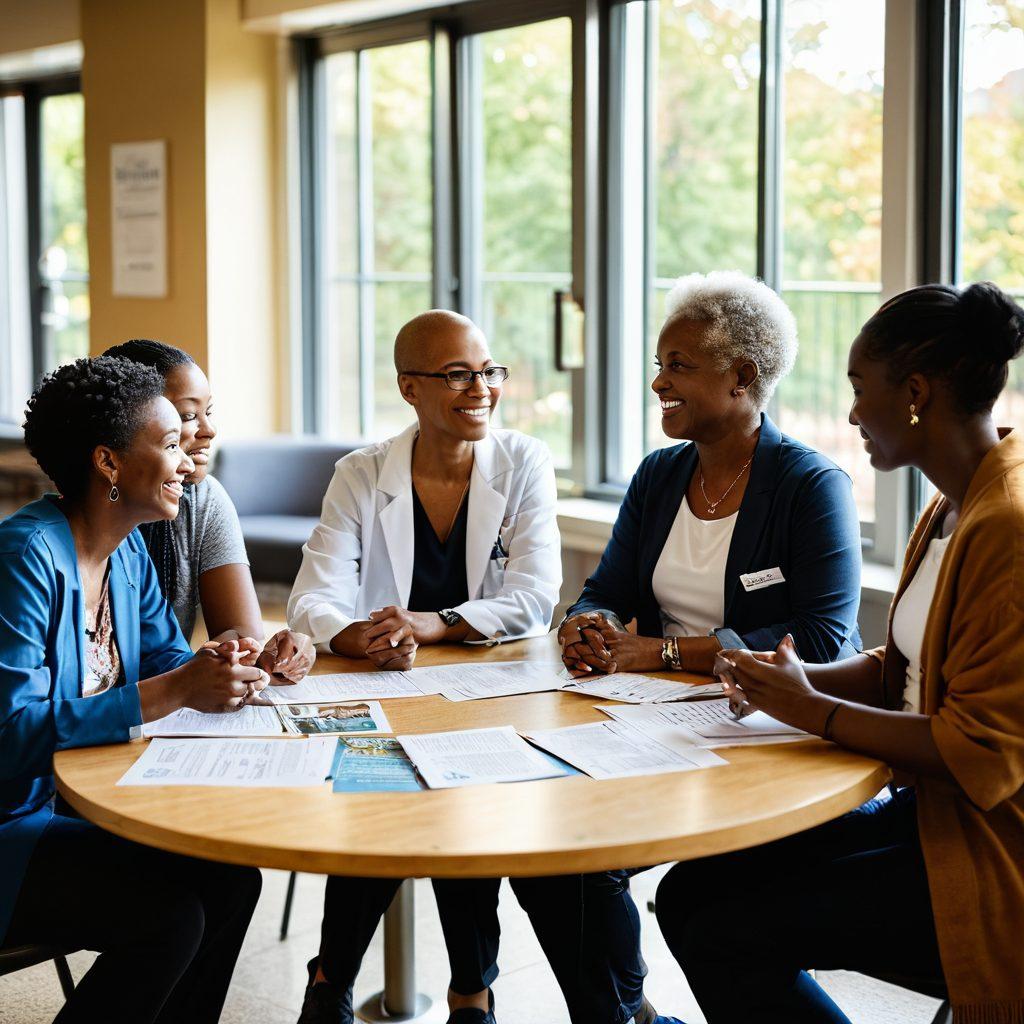
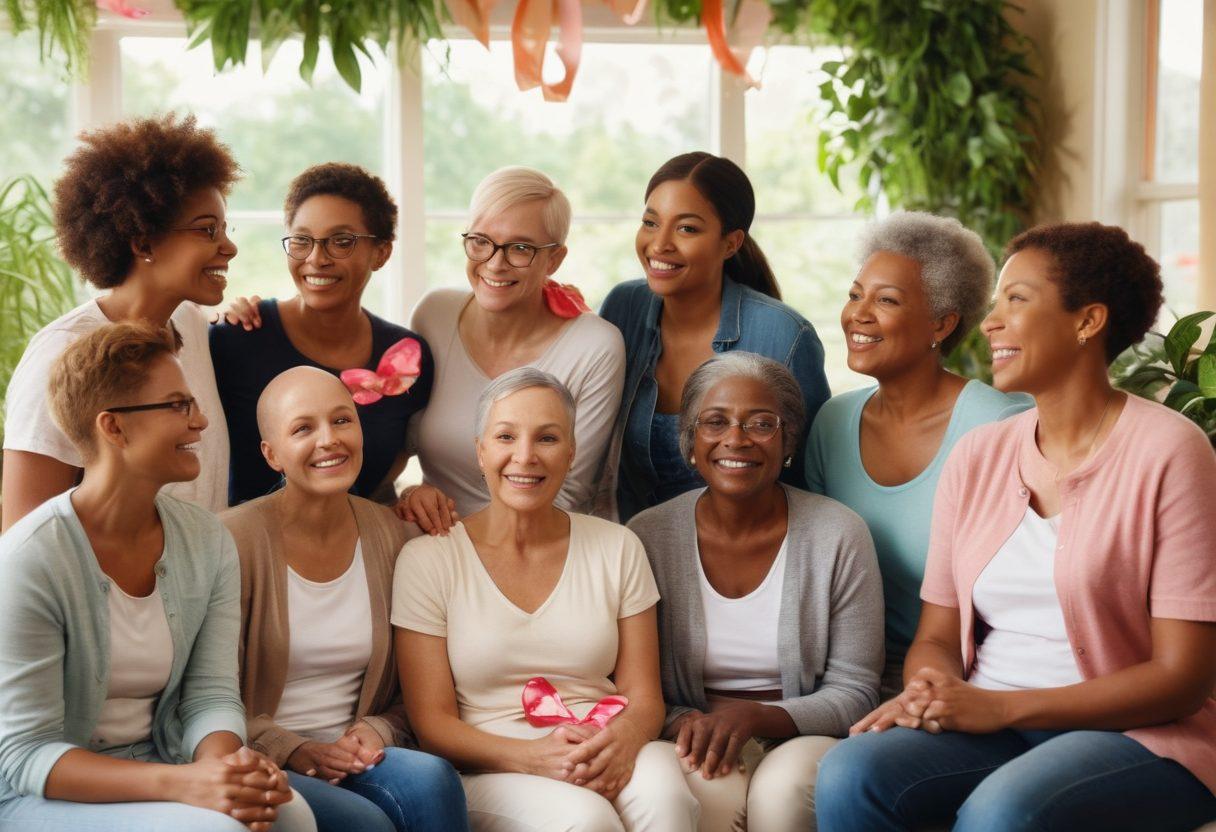
The journey through cancer diagnosis and treatment can feel isolating, but the power of the cancer community is immense. Engaging with fellow survivors and advocates can bring unique insights into managing the emotional and physical toll of cancer. Share your own experiences or listen to the cancer stories of others; they are often filled with hope and inspiration. Reach out, participate in forums, and connect with local support groups—it’s these shared experiences that can truly elevate cancer advocacy efforts and foster a culture of understanding and compassion.
Finally, never underestimate the role of personal wellness in the dialogue of cancer education. Eating a balanced diet, maintaining regular exercise, and engaging in mindfulness can contribute tremendously to your well-being while enduring cancer treatment. A blog that encompasses wellness topics can provide actionable steps toward improving your lifestyle amidst the demands of cancer care. As we embark on this journey together, remember that every resource, every blog, and every story shared builds a stronger foundation for those impacted by cancer. Let’s unlock the secrets of cancer education together and build a brighter, healthier future.
Navigating Cancer Treatment Options: From Chemotherapy to Immunotherapy and Beyond
In today’s landscape of cancer treatment, navigating the myriad of options available can feel overwhelming. As someone on a cancer journey, whether as a patient, caregiver, or advocate, understanding these treatments is not just beneficial—it's essential. You may find yourself standing at a pivotal crossroads, faced with decisions that can affect not only your health, but also your life direction. How do you make sense of chemotherapy, immunotherapy, radiation therapy, and palliative care? Let's delve into the world of cancer treatment options, empowering you with knowledge and resources to gain clarity along the way.
When you hear the word 'chemotherapy,' what comes to mind? Often perceived as the dreaded monster in the shadows of cancer care, chemotherapy, with its cocktail of toxic drugs, can wreak havoc on the body. Yet, it remains a cornerstone of treatment for many cancers. Imagine a warrior preparing for battle, armed with various weapons tailored to defeat the enemy. Chemotherapy is that weapon—powerful and effective. As oncology research advances, the definition of chemotherapy continues to evolve, allowing for more targeted approaches that can minimize side effects while maximizing results. So, how do you feel about joining this fight with a well-informed mind?
On the other hand, we have immunotherapy—a beacon of hope for many seeking cancer survival. This revolutionary treatment harnesses the body’s immune system to identify and destroy cancer cells. Think of the immune system as a vigilant guard, constantly surveying the premises. When fueled by the advances in medical research, immunotherapy can become a superhero in the world of cancer treatment. This therapy raises an intriguing question: could the key to battling cancer lie within our own bodies? For countless patients who have successfully navigated their cancer diagnosis, this treatment option has proven to be a game changer.
Radiation therapy is another critical option, often used either alone or in conjunction with other treatments. Picture a precision-targeting sniper, accurately hitting cancer cells while minimizing impact on healthy tissue. Radiation can be a lifeline, and the advances in technology have made it safer and more effective than ever before. But how do you determine if radiation therapy is the right fit for your unique case? Engaging with patient support communities and utilizing cancer resources can provide valuable insights into real experiences from individuals who have walked this path, and may offer reassurances that you’re not alone in this journey.
Lastly, there’s palliative care—a compassionate approach that prioritizes quality of life over curative intentions. This often-overlooked aspect of cancer treatment deserves its moment in the spotlight. Think of palliative care as the nurturing friend who brings comfort during tough times, addressing physical pain, emotional distress, and everything in between. How often do we focus solely on survival rates, neglecting the importance of living well during treatment? Knowing the multitude of options at your disposal transforms the cancer care experience. Embrace the wealth of knowledge in the cancer community and take charge of your health journey, advocating for yourself and others to not only survive, but to thrive.
Building a Stronger Cancer Community: Stories of Survival and Support for All
In a world where statistics can often feel overwhelming, the stories of survival and support shine like beacons of hope. When we speak about cancer, it’s easy to get lost in numbers: one in three people will face a cancer diagnosis in their lifetime. But what we often forget are the stories behind those statistics—the narratives of courage, resilience, and community that bind us together. Here, we delve into the heart of the cancer community, exploring how building a stronger network can empower individuals and promote effective cancer education and advocacy.
Imagine for a moment, a young woman named Sarah. She was filled with dreams and aspirations until the day she received the stark news that changed everything: a breast cancer diagnosis. In those early days, amidst the chaos of doctor visits and treatment decisions, she discovered an online oncology blog filled with stories just like hers—people navigating the ups and downs of life with cancer. These narratives provided not only information on cancer treatment options like chemotherapy and immunotherapy but also a sense of connection. "If they can do it, I can too," she thought. These powerful words, uttered by countless survivors, are what fuel the fire of community and shared strength.
The stories of survival don’t just serve to inspire; they also carry vital lessons about patient support and the importance of cancer advocacy. When one individual shares their journey—whether it be through a healthcare blog or in community forums—they create a ripple effect, encouraging others to take charge of their health. Do you know about the extensive cancer resources available in your local area? From palliative care to wellness blogs dedicated to practicing a cancer lifestyle, the right support can change the course of a person’s journey—turning fear into fortitude.
As we build a stronger cancer community, we must also recognize the role of education in prevention and awareness. A lack of understanding about cancer can lead to late diagnoses and missed opportunities for successful treatment. How can we educate our families, friends, and even ourselves on the signs of cancer and the importance of regular screenings? Sharing cancer stories not only sheds light on personal experiences but also raises critical health awareness among broader audiences. Everyone has the power to make informed decisions about their health, and education is the first step in that direction.
In closing, the journey through cancer is never faced alone. By fostering strong relationships within the cancer community—sharing knowledge about cancer care, treatment options, and prevention—we empower ourselves and others. Whether through personal stories, educational content, or supportive dialogue in wellness blogs, we weave a fabric of resilience and hope. Remember, every story counts, and every voice matters. Let us continue to advocate for each other and pave the way toward stronger cancer education and a united community.